
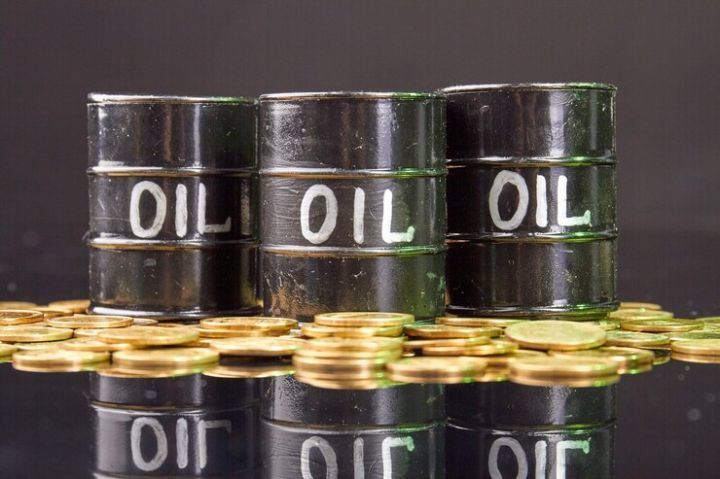
Oil Rises Again, US Strikes on Iran Threaten Ceasefire
Oil prices rose again after the United States launched new strikes on Iran in response to the downing of a US military helicopter near Oman. This attack increased risks to the fragile ceasefire in the Middle East and renewed market concerns about global energy supplies.
Brent briefly rose as much as 2% to above US$93/barrel, while WTI strengthened to around US$90/barrel. At 8:48 a.m. Singapore time, Brent for August rose 1.7% to US$92.96/barrel, while WTI for July rose 1.6% to US$89.61/barrel. These gains came after both oil benchmarks had fallen sharply in the previous session.
US Central Command called the strikes an act of “self-defense” carried out at the direction of President Donald Trump. The US said the action was a proportionate response to Iranian aggression after a US Apache helicopter was shot down while patrolling the Strait of Hormuz. Iranian state media reported at least six explosions on Qeshm Island, as well as an attack in the Jask region near the narrows.
These renewed tensions increase the risk that the Strait of Hormuz will remain almost completely closed. This waterway is crucial as it serves as a key transit point for oil and energy from the Middle East to global markets. If the disruptions persist, oil, fuel, and natural gas supplies could tighten further, potentially leading to persistent global inflationary pressures.
However, the market has not yet fully interpreted the US attack as the beginning of a major war. Analysts believe the still-proportionate response signals that Washington still prefers a deal over full-blown escalation. However, the chances of reaching a deal with Iran remain much more difficult as long as retaliatory strikes continue.
From a fundamental perspective, the oil market also received support from US inventory data. The American Petroleum Institute reported that US crude oil stocks fell by 9.1 million barrels last week, which, if confirmed by official data, would be the largest decline since September. US inventories are already at a four-month low, reflecting tight global supply as buyers seek to replace lost supplies from the Persian Gulf. (asd)*
Source: Newsmaker.id
Analisis Komprehensif Pasar Harga Minyak
Pasar Minyak dunia mengalami dinamika yang kompleks dipengaruhi faktor supply-demand, geopolitik, dan kebijakan energi global.
Faktor Penentu Harga Minyak
- Kebijakan OPEC+: Kuota produksi dari kartel Minyak mempengaruhi supply global.
- Data Inventori AS: Laporan mingguan EIA menjadi indikator penting demand.
- Tensi Timur Tengah: Stabilitas kawasan produsen Minyak utama.
- Permintaan Global: Pemulihan ekonomi pasca-pandemic mempengaruhi konsumsi.
Panduan Analisis Pasar Keuangan
Untuk sukses dalam Analisis Trading dan Strategi Investasi, penting untuk memahami berbagai alat analisis yang tersedia:
Analisis Fundamental
Analisis fundamental melibatkan studi mendalam tentang kondisi ekonomi, kebijakan moneter, dan faktor makro yang mempengaruhi Pasar. Tools seperti kalender ekonomi dan laporan fundamental menjadi kunci.
Analisis Teknikal
Analisis teknikal menggunakan data harga historis dan volume untuk memprediksi pergerakan masa depan. Indikator seperti moving average, RSI, dan MACD sering digunakan oleh trader.
Manajemen Risiko
Implementasi manajemen risiko yang tepat, termasuk position sizing dan stop-loss, sangat penting untuk keberlanjutan trading dalam jangka panjang.